
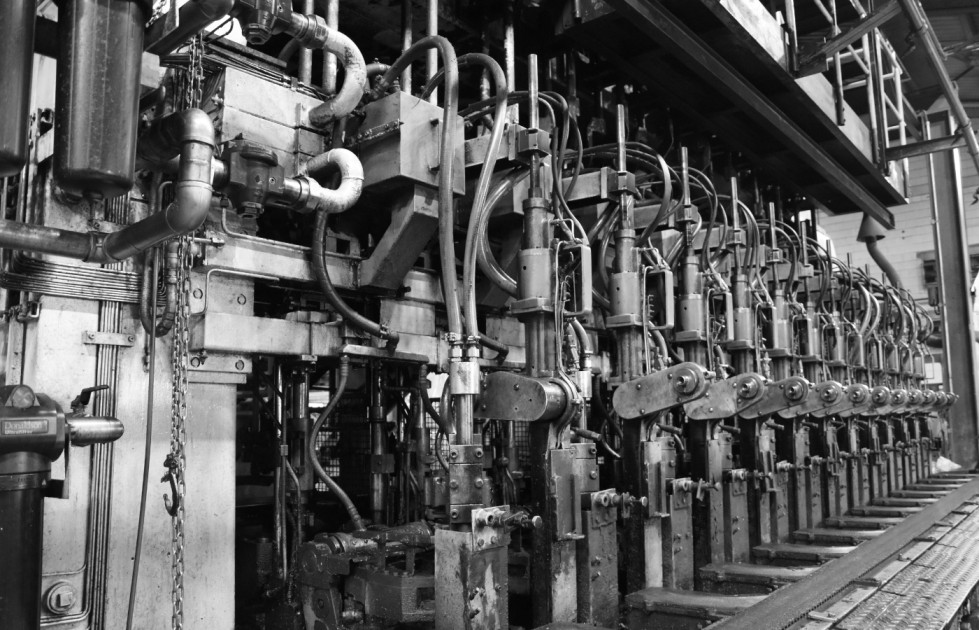
Here’s what really runs the industrial world – mechanical engineering. I’m talking about every factory, every refinery, every processing plant you can think of. At Brillante Engineers, we’ve learned something important over the years: understanding how mechanical engineering principles work is what separates excellent operations from mediocre ones in oil and gas facilities.
Look, industrial systems need way more than just electrical power and some control panels. What they really need are solid, dependable mechanical components. Your pumps, your compressors, those massive piping networks, pressure vessels – all of this stuff falls squarely under mechanical engineering.
The Foundation of Industrial Operations
Strong foundations aren’t just nice to have – they matter tremendously. Mechanical systems are basically the physical backbone holding up any industrial facility. Take them away, and nothing moves anymore. Nothing flows. Nothing gets processed.
Our team has been designing these critical systems for years now. We’ve seen what works beautifully. We’ve also seen what fails spectacularly. Experience has taught us some really valuable lessons that you just can’t learn from textbooks.
Piping Systems: The Arteries of Industry
Piping networks are incredible when you think about it – they carry absolutely everything. Oil, gas, various chemicals, water, steam – it all flows through pipes. But designing these networks? That takes genuine skill and deep knowledge.
Mechanical engineering is what makes sure pipes can handle pressure without exploding. Temperature swings affect materials in ways most people don’t realize. Chemical properties play a huge role, too. Make the wrong choices here, and you’re looking at leaks or complete ruptures down the line.
We spend serious time calculating stress points with precision. Our designs don’t just ignore thermal expansion – we actually account for it properly. Supports get positioned exactly where they need to be, not just wherever seems convenient. Every joint gets specified down to the last detail.
Here’s the thing about proper piping design – it saves you real money. It keeps downtime to a minimum. It keeps your workers safe and healthy. When you add up these benefits over a facility’s lifetime, the numbers get pretty impressive pretty fast.
Static Equipment Engineering
Pressure vessels have one job – holding materials under conditions that would terrify most people. Heat exchangers move thermal energy around with impressive efficiency. Columns do the hard work of separating different components. All of these devices absolutely need expert mechanical engineering to function properly.
Material selection isn’t just important – it becomes absolutely critical. When you’re dealing with high temperatures, you need special alloys that can take the heat. Corrosive chemicals? You’d better have resistant materials ready.
Our engineers are sticklers when it comes to following ASME codes. We run detailed calculations for:
- Wall thickness requirements
- Nozzle reinforcement specifications
- Support structure designs
Testing always happens before anything gets installed. Every vessel goes through inspection. We don’t assume quality – that’s a recipe for disaster. Quality has to be verified, full stop.
Process Mechanical Systems
Moving fluids around? You need pumps for that. Compressing gases? That’s where compressors come in. Mixing materials? You’re going to need agitators. All these machines are just mechanical engineering principles put into practice.
The equipment you select affects efficiency in direct, measurable ways. Pumps that are too big waste energy like crazy. Compressors that are too small can’t keep up with pressure demands. Getting the sizing perfect requires some seriously careful analysis.
Something interesting – maintenance planning actually starts during the design phase for us. Components that are easy to access tend to last longer. Equipment that’s simple to service cuts your downtime significantly. Smart mechanical engineering means thinking several steps ahead.
Structural Support Systems
Heavy equipment doesn’t just float in the air – it needs strong foundations underneath. Pipe racks have to carry some seriously significant loads. Platforms give operators safe access to do their jobs. Civil and structural design is what supports everything else.
Load calculations tell us what beam sizes we actually need. Wind forces aren’t something we ignore – they get factored in carefully. Seismic requirements get met without exception. Every structure we design has to handle all the conditions we expect it to face, plus safety factors on top of that.
Our structural engineers don’t work in isolation – they collaborate closely with the process teams. Equipment locations get optimized for efficiency. Access routes get planned out with real people in mind. Maintenance needs get tackled early in the process, not as an afterthought.
Energy Efficiency Through Smart Design
Fuel costs real money – there’s no getting around that. Wasted energy? That hurts your bottom line in ways that add up fast. Good mechanical engineering tackles both of these problems head-on and makes a significant difference.
Heat recovery systems are brilliant – they capture energy that would otherwise just disappear. Efficient motors consume noticeably less electricity. Optimized layouts cut down on friction losses throughout the system. Small improvements here and there? They create surprisingly large savings.
Integration With Other Disciplines
Mechanical systems never operate in isolation – that’s just not how industrial facilities work. They connect with electrical power grids. They respond to signals from instruments. They follow commands from control systems.
Coordination between disciplines prevents all kinds of conflicts. Mechanical designs have to accommodate things like cable trays running through spaces. Equipment needs electrical connections positioned nearby. Control valves require reliable instrument air supplies to function.
Maintenance and Reliability
Good design always considers what happens after installation – the maintenance needs that will inevitably come up. Components wear out over time. Seals start leaking eventually, no matter how good they are. Bearings need replacement periodically.
We design specifically for accessibility from day one. Critical items get spare backups ready to go. Maintenance procedures get documented in clear language that your team can actually understand. This means your people can service systems efficiently without tearing their hair out.
Conclusion
Efficient industrial systems absolutely depend on excellent mechanical engineering – there’s just no way around it. From piping networks that stretch for miles to rotating equipment that runs constantly, every single component plays a vital role. Smart design improves reliability while simultaneously reducing costs.
Brillante Engineers brings literal decades of experience to every single project we touch.Our expertise in process design, piping systems, and static equipment means your facility operates at peak performance, not just “good enough.” We deliver solutions that actually work in the real world, not just on paper.
Ready to optimize your industrial systems for real? Visit Brillante-Engineers to explore our comprehensive engineering services. Our team is standing by, ready to help you achieve genuine operational excellence. Contact us today and experience firsthand the difference that proper mechanical system design makes.
FAQ’s
What mechanical engineering services are most important for oil and gas facilities?
Piping design, static equipment engineering, and process mechanical systems are absolutely crucial for oil and gas operations. These services make sure you’ve got safe fluid handling, proper material processing, and equipment that performs reliably throughout your facility’s entire lifecycle.
How does mechanical engineering improve industrial efficiency?
Mechanical engineering optimizes how you size equipment, cuts down on energy consumption, and minimizes those annoying friction losses in piping systems. Proper design also decreases how much time you spend on maintenance and extends how long your equipment actually lasts, which directly improves your overall operational efficiency.
What standards govern mechanical engineering in petrochemical plants?
ASME codes for pressure vessels, API standards for equipment, and ANSI specifications for piping all govern mechanical design. These international standards make sure you’re hitting safety benchmarks, maintaining reliability, and staying compliant across all petrochemical and oil and gas facilities.
Why is piping design considered a mechanical engineering specialty?
Piping design requires a solid understanding of fluid mechanics, material properties, stress analysis, and thermal dynamics. These are core mechanical engineering principles that get applied to create safe, efficient networks for transporting liquids and gases throughout industrial facilities.
How early should mechanical engineering be involved in projects?
Mechanical engineering should jump in during the conceptual design phases so you can optimize layouts, select the right equipment, and spot potential challenges early on. Early involvement prevents those costly changes that nobody likes and ensures you get an integrated, efficient system design right from project inception.